

Connection Between Neuroscience and Project Management
Let's follow this new trend of Neuroscience in project management in 2025

Hello readers!
As you all know, in this months editions of “HARKIRAN’S NARRATIVE NOTES”,I am discovering all the latest trends to follow in Project Management world in 2025.
In this edition ,I will dive into the connection between Neuroscience and Project Management.
Neuroscience offers valuable insights into how the brain works, especially regarding behavior, decision-making, stress, motivation, and collaboration. By understanding these neurological principles, project managers can better engage with their teams, address challenges, and create a more effective and productive work environment. The integration of neuroscience into project management could fundamentally change how project leaders approach the many complexities of leading projects, particularly in the areas of:
Team Dynamics and Collaboration
Stress Management
Decision-Making
Communication and Leadership
Change Management
What happened last week on “Project Perks With Harkiran”?Neuroscience for Project Managers
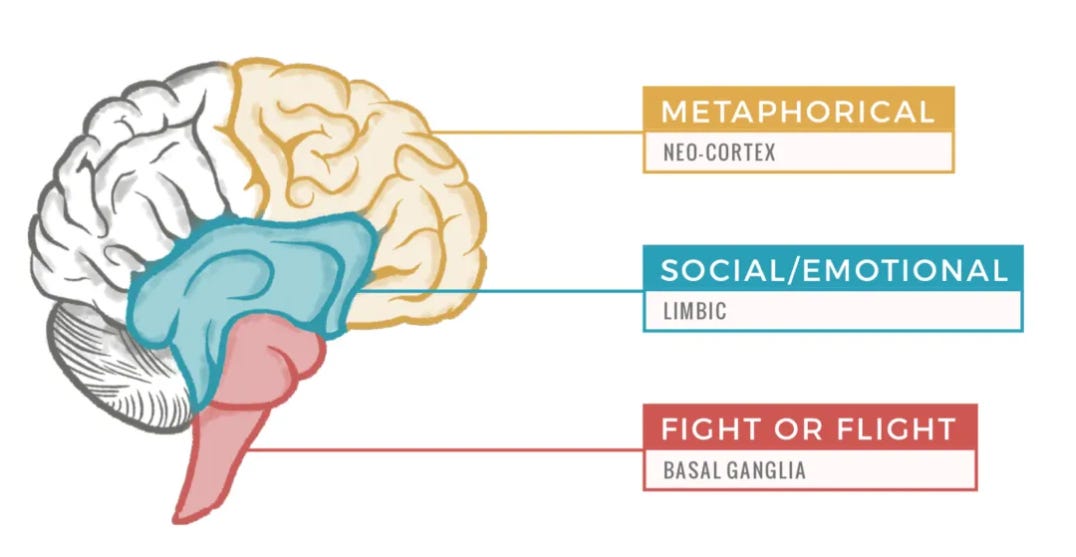
The Brain’s Response to Stress: Stress is a common challenge for project managers and teams, particularly during high-pressure situations or tight deadlines. Neuroscience shows that when the brain is under stress, it activates the fight-or-flight response, leading to reduced cognitive function, impaired decision-making, and lowered creativity. Project managers who understand this can implement strategies to reduce stress and improve team performance.
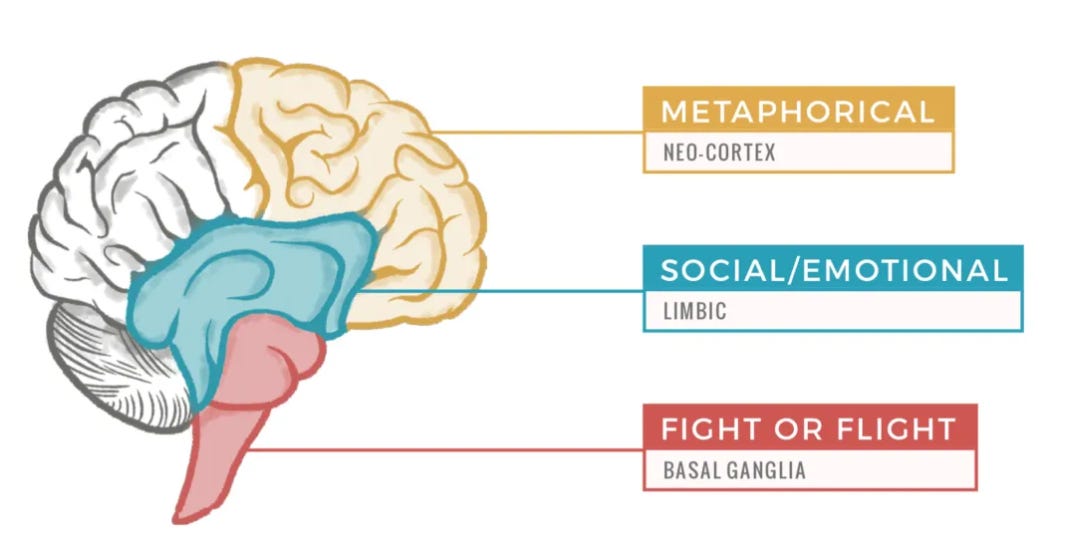
Example: In a high-stakes project with tight deadlines, a project manager might schedule regular breaks, incorporate mindfulness exercises, or create a positive and supportive work environment to help team members regulate their stress levels. Implementing these strategies can lead to improved focus, enhanced creativity, and better decision-making.
The Role of Emotions in Decision-Making: Neuroscience reveals that emotions play a significant role in decision-making. The prefrontal cortex, responsible for rational decision-making, works closely with the limbic system, which governs emotions. Understanding the emotional drivers behind decision-making can help project managers lead their teams more effectively and guide them toward making more balanced and objective decisions.
Example: When making decisions about project scope changes or handling conflicts within the team, project managers who are attuned to the emotional states of their team members are more likely to facilitate conversations that are empathetic and constructive, leading to better collaboration and outcomes.
The Power of Positive Reinforcement: Neuroscience has shown that the brain responds positively to rewards and recognition. Dopamine, the "feel-good" neurotransmitter, is released when we receive positive feedback, recognition, or rewards for our work. By strategically using recognition, project managers can motivate their teams, encourage productivity, and foster a sense of accomplishment.
Example: During a long-term project, a project manager might introduce regular milestone celebrations and public acknowledgments to maintain team morale and motivation. This positive reinforcement can increase the likelihood of project success by keeping team members engaged and focused on achieving their goals.
Mirror Neurons and Empathy in Leadership: Mirror neurons in the brain allow individuals to understand and resonate with others' emotions and behaviors. This is especially important for project managers who need to develop empathy and strong interpersonal relationships with their teams. Leaders who can demonstrate empathy foster trust, collaboration, and psychological safety within teams.
Example: A project manager who actively listens to team members, acknowledges their concerns, and adjusts their approach based on team feedback is engaging their mirror neurons, creating an emotionally supportive environment where team members feel valued and understood.
Examples of Neuroscience in Project Management
Google’s Project Aristotle: Google’s Project Aristotle studied high-performing teams and discovered that psychological safety—the ability for team members to feel safe to take risks without judgment—is a key factor in team success. This aligns with neuroscience’s findings on the importance of creating supportive environments that encourage open communication and collaboration.
SAP’s Agile Transformation: SAP implemented agile transformation practices across their organization, focusing on creating an environment of collaboration and autonomy for teams. By incorporating principles of neuroscience, such as understanding the emotional and cognitive needs of employees, SAP was able to drive successful agile adoption, improve team dynamics, and boost overall project delivery.
The Use of Virtual Reality in Training: Companies like PwC are experimenting with immersive training programs using virtual reality (VR) to help employees develop leadership, negotiation, and decision-making skills. Neuroscience explains how VR stimulates the brain’s sensory and emotional responses, which can enhance learning retention and prepare teams for real-world project challenges.
Conclusion: Neuroscience in Project Management
By 2025, the integration of neuroscience into project management will be a game-changer. As project managers become more attuned to the cognitive and emotional needs of their teams, they will be better equipped to lead with empathy, foster innovation, and drive successful project outcomes. Neuroscience offers powerful tools for understanding how individuals think, feel, and collaborate, and these insights will enable project managers to create more efficient, harmonious, and high-performing teams.
Let’s chat! If you enjoyed this newsletter edition don’t forget to like, share and comment as well :)
Warm regards,
Harkiran Brar
If you are thinking of starting a podcast ,but don’t know where to start? Then click on link below and find how can you publish your first podcast in 4 hours!
Welcome to 'Ask Me Anything on Project Management,' your personalized gateway to effective project management solutions and advice. I am thrilled to assist you in:
Enhancing your project facilitation skills
Making informed, data-driven decisions
Leading diverse teams to achieve remarkable results
Gaining insights on industry best practices
And much more!